Water Heater Leaking? When to DIY and When to Call a Plumber

Table of Contents

Introduction
A leaking water heater can lead to bigger issues if ignored.
It can cause high water bills, mold growth, or even electrical hazards if near wiring. But not all leaks require a plumber immediately. Some issues you can handle yourself—if you know what to look for.
Common Causes of Water Heater Leaks
Before you panic, identify the source of the leak:
Loose pipe fittings or connections
Faulty temperature & pressure (T&P) relief valve
Corroded tank or rust spots
Cracked drain valve
Internal tank damage due to age or wear
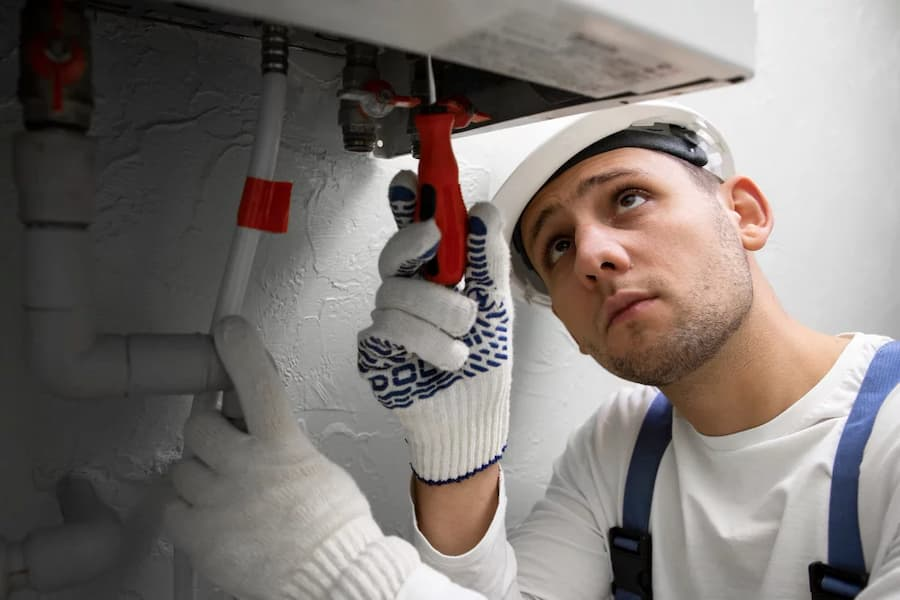
When You Can DIY a Water Heater Leak
Simple issues you can safely fix yourself:
Tightening pipe connections: Use a wrench but don’t overtighten.
Replacing a worn washer or O-ring in the inlet/outlet valve.
Cleaning the T&P valve: If dripping, it might just need cleaning.
Drain valve leaks: Replace the cap or tighten slightly.
If the water heater is still under warranty, check with the manufacturer before doing DIY fixes.
When to Call a Licensed Plumber
Know when it’s safer to get expert help:
Water is pooling under the unit constantly
Signs of corrosion or rust around the tank
Water coming from the tank body itself
Tripped breaker or electric short from the heater
Frequent leaking even after minor repairs
A certified plumber can diagnose whether the unit needs repair or a full replacement and ensure it’s safe to use.

How to Temporarily Stop a Leak
Quick steps before help arrives:
Turn off the water supply to the heater.
Switch off the power—electric or gas.
Place a bucket under the leak area.
Dry surrounding areas to prevent slipping or electrical contact.
This helps minimize damage while you arrange for repairs.
Preventing Future Leaks
Good maintenance reduces the risk of major leaks:
Flush the tank annually to remove sediment buildup.
Inspect valves, joints, and hoses every 6 months.
Replace old hoses or worn fittings immediately.
Don’t overload electrical circuits with high-wattage heaters.
Consider installing a water leak detector if your heater is in a hidden or enclosed space.

Did You Know?
Most water heaters last 8–12 years.
Beyond that, internal wear often leads to leaks and inefficiency. Replacing an old heater proactively can prevent sudden breakdowns or water damage.
Conclusion
Not every water heater leak needs a plumber, but knowing the signs of serious issues can save you time, money, and damage. DIY what you can safely handle, but don’t delay calling a plumber for persistent or high-risk leaks.
FAQs
1. Why is my water heater leaking from the bottom?
It could be the drain valve, tank corrosion, or condensation—but if constant, call a plumber.
2. Is it safe to use a leaking water heater?
No. It can lead to electrical issues or structural damage if near flooring or walls.
3. Can I replace the T&P valve myself?
Yes, if you're handy, but ensure the power and water are off before starting.
4. How much does it cost to fix a leaking water heater in Malaysia?
Repairs start from RM80–RM300. Full replacements can range from RM500 to RM1,500.
5. Can a leaking water heater explode?
Rare, but possible—especially if the pressure valve fails. Always fix leaks quickly.
Need urgent help with a leaking water heater? 🚿💧 Contact our certified plumbers now or WhatsApp us for fast service!

Comments